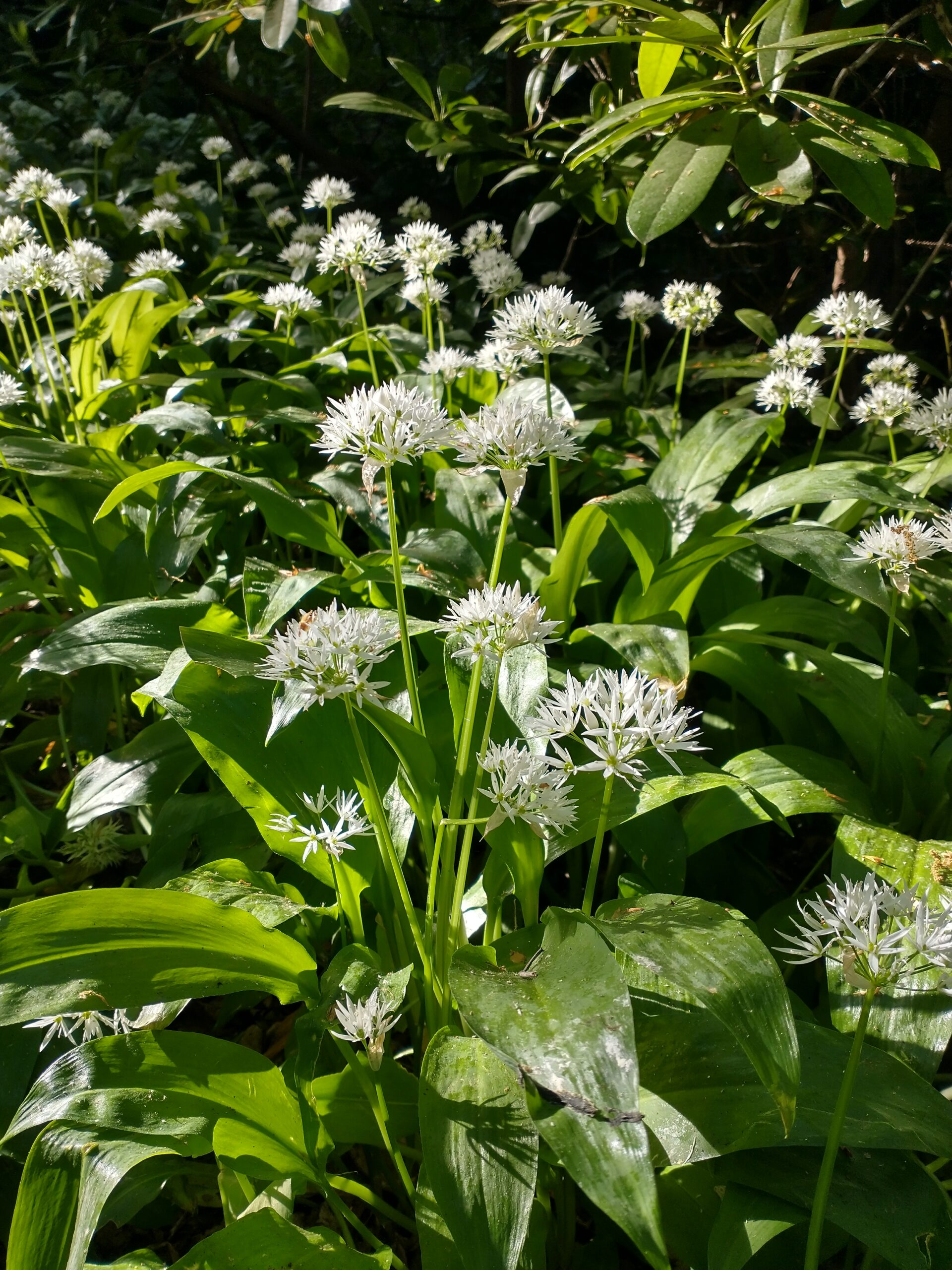
Creamh or wild garlic abounds in damp woodlands – and in the place-names of Ireland as well as parts of Britain. This name-story discusses these aromatic place-names.
Place-name stories
Why study place-names?
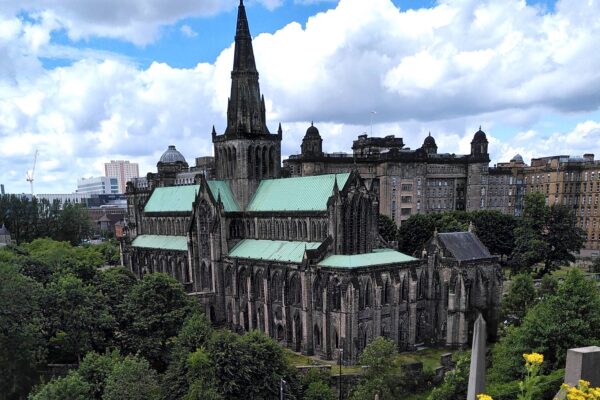
Place-names are part of our everyday lives, and at one level they simply label places: we don’t need to know the history and meaning of the name Leeds or Glasgow to live there, or to book a train and go there. But the names of places in Britain and Ireland are a fascinating part of our heritage, most of them were fully meaningful when first coined, and like the people who created them they are exceptionally diverse. They not only tell us a great deal about past languages and peoples, but once correctly explained they can help us see familiar places in a new light, revealing what was important to those who lived there in the past and may still be important: distinctive landscape features, flora or fauna; land ownership and use for crops, stock-rearing or industry; defences and assembly sites; religion, the supernatural and pastimes. Place-name evidence is often used by archaeologists, local historians, historical geographers and many others, and conversely, insights from these other disciplines feed into the understanding of place-names. We study place-names because they are all around us today and because (as the title of a classic book by Margaret Gelling goes), they are ‘signposts to the past’. You can read more about these topics in the place-name stories below.