Old English tūn, pronounced ‘toon’ and originally meaning ‘enclosure, fence’, crossed the North Sea with the Anglo-Saxons as they settled parts of Britain from the fifth century onwards, though its heyday began some three centuries later and lasted until after the Norman Conquest.
Tūn: From rustic fence to urban sprawl
Tedious tūns?
Names in tūn (modern -ton) are so extremely common that they might seem tedious, but they can reveal a great deal about what was important to people in the past, and how places and resources were used. The fact of being a tūn must in itself have been significant. As Ros Faith has noted, places with tūn names, whether villages or minor farmsteads, and whether estate centres or dependent outposts, would typically have been quite focused, with a sense of ‘buildedness’. In their distribution and their nature they contrast with places named using lēah ‘wood pasture or clearing’, which tend to be more scattered and diverse, ‘an area, not a specific place’. The lēah names often appear as –ley today, for instance the many north and west of Leeds, such as Ilkley, Otley, Keighley, Bingley and Shipley. (Letters such as ū and ē denote long vowels.)
Tūns with special functions
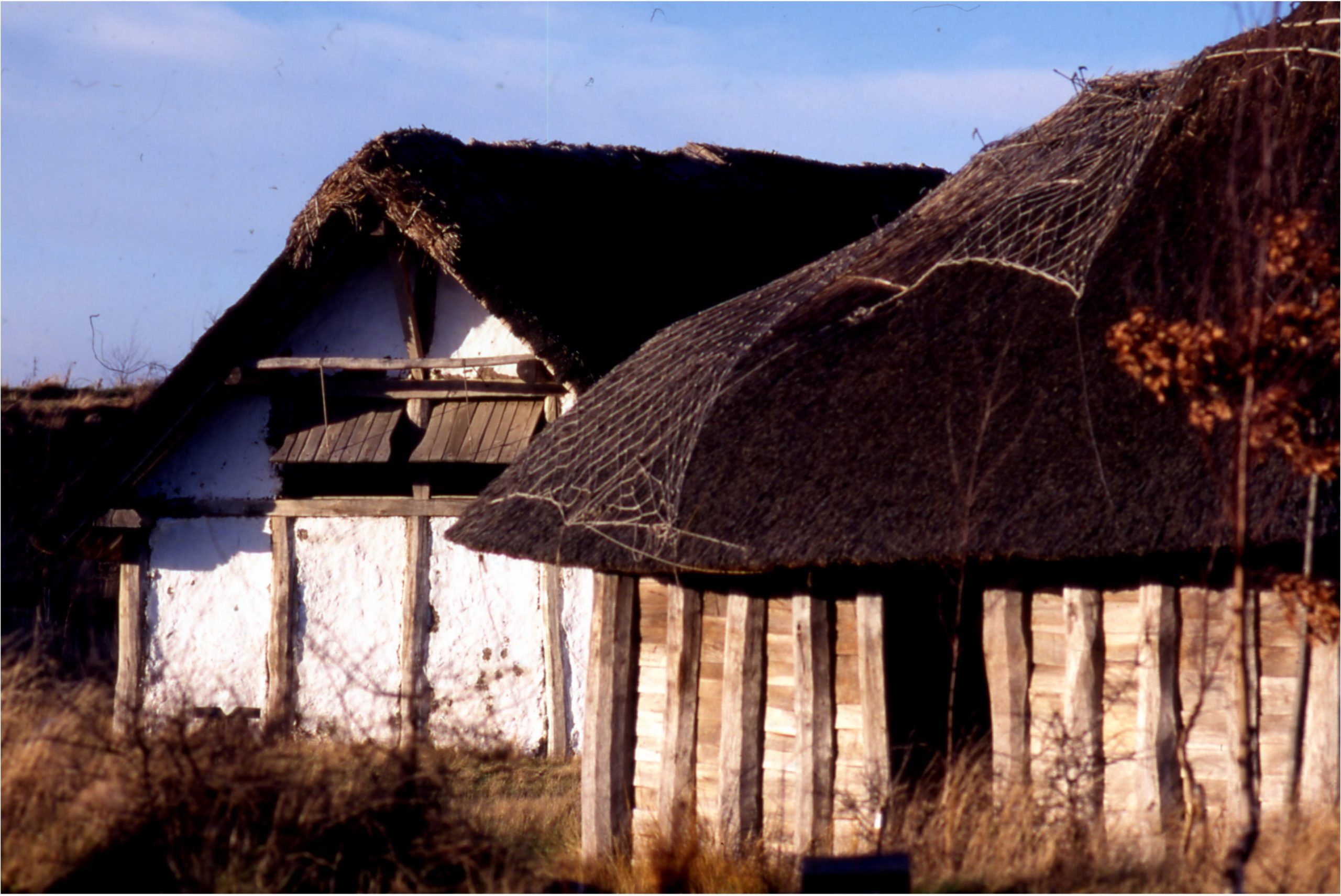
Tūn became what a fence encloses, such as a lēac–tūn, a ‘leek enclosure’ or vegetable garden, as at several places called Leighton, or an orchard, as at Appleton (in several counties) or Pirton (in Hertfordshire and Worcestershire). Most tūn places, however, were farmsteads or hamlets (such as Bartons or Lintons, growing barley or flax), or centres with special functions such as timber production at the many places called Wootton or Witton (containing Old English wudu, widu ‘wood’) or Acton (āc ‘oak’). Some tūn names may have guided wayfarers by advertising facilities: Strettons or Strattons, often on Roman roads (Old English strǣt or strēt), may have been staging posts, and some of the places called Merton or Marton may have had a mere or pond and other facilities for travellers and their animals.
Still other tūn names point to estates owned by individuals (Brihthelm at Brighton, Sussex, probably Lēofa at Luton near Broadhembury, Devon) or groups (Bishopton, Monkton, Preston in various counties), or managed for their benefit. The Kingstons are thought to have been judicial centres, or staging posts for royal messengers rather than royal residences. Many a tūn may have been a ‘dependent settlement’, or part of a divided estate, and the numerous Nortons, Suttons, Astons/Eastons and Westons may suggest a bureaucratic mindset and top-down land management.
Satellite view of Brighton
Tūns today
Over 4000 villages and towns in England today, and some in Scotland and Wales, bear tūn names. Some modern forms ending in -ton are of different origins, however. For instance, Repton, Derbyshire contains Old English dūn ‘hill’ and the villages called Dipton in County Durham and Northumberland are ‘deep valleys’, from Old English dēop and denu ‘valley’.
Few of the largest cities in the UK have tūn names , but Brighton, Bolton in Lancashire and the Bedfordshire Luton all show how tūn sites can develop from humble enclosed settlements to places of significant urban sprawl.
Selected sources
Jones, Richard and Sarah Semple, eds (2012), Sense of Place in Anglo-Saxon England. See especially:
Coates, Richard, ‘”Agricultural” compound terms and names in tūn like Acton and Barton‘, pp. 211–37.
Cole, Ann, ‘Tūns by the wayside’, pp. 243–59.
Faith, Ros, ‘Tūn and lēah in the rural economy’, pp. 238–42.
Jones, Richard, ‘Hunting for the meaning of the place-name Upton’, pp. 301–15.
Pickles, Thomas (2009), ‘Biscopes-tūn, muneca-tūn and prēosta-tūn: Dating, significance and distribution’. In The Church in English Place-Names, ed. Eleanor Quinton, pp. 39–107.
Smith, A. H. (1956), English Place-Name Elements, 2, pp. 188–98.
Keith Briggs has produced a map of modern names in -ton.
Watts, Victor (2004), The Cambridge Dictionary of English Place-Names.
Text © Nigel Suffield-Jones and Diana Whaley 2023