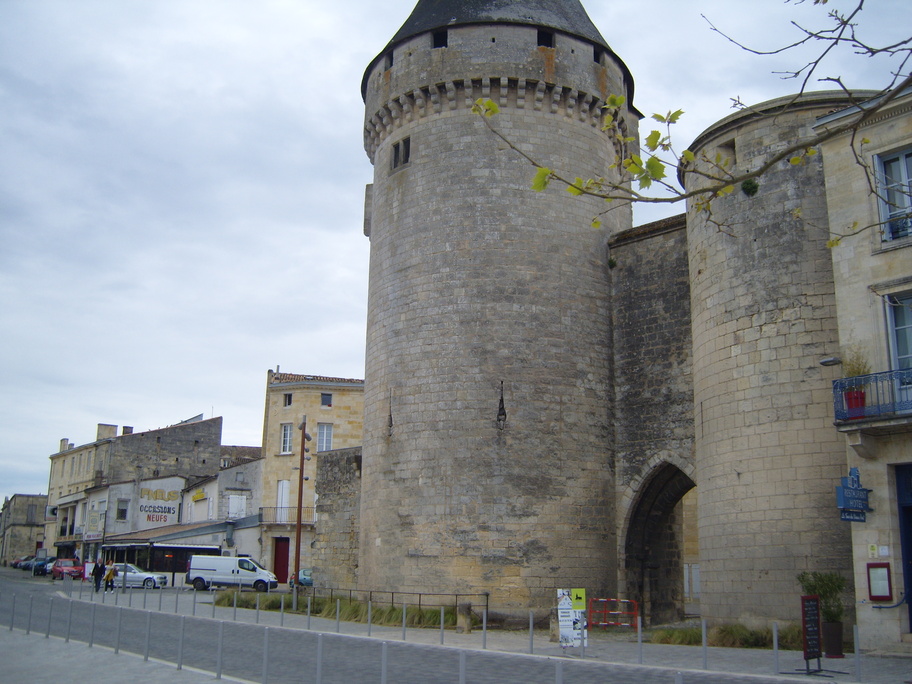
This story explores how certain French bastides (fortified towns) received English names
English
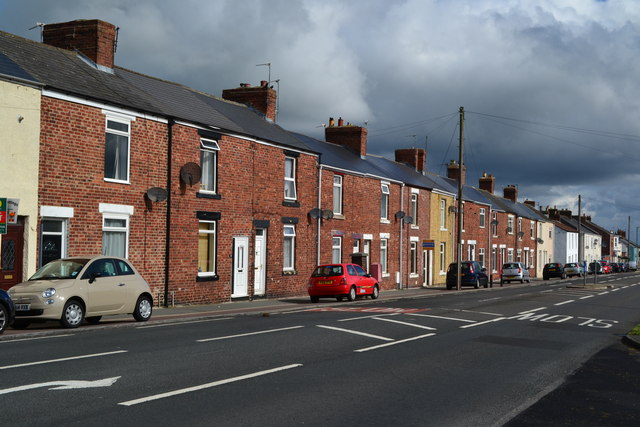
Pity Me – really?
This story looks into the striking place-name Pity Me. Is it really what it seems?
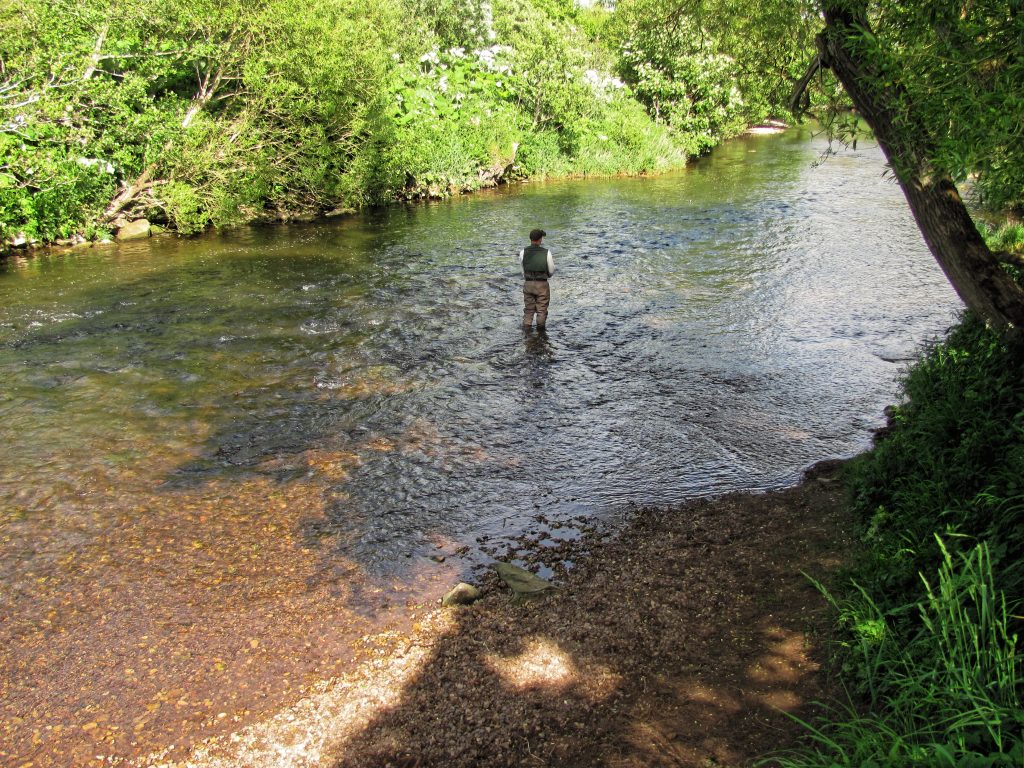
River Coquet
The Coquet rises in the Cheviot Hills and flows about forty miles to the North Sea at Amble. This story traces the history of the name Coquet, which has a long and winding history, rather like the course of the river itself.
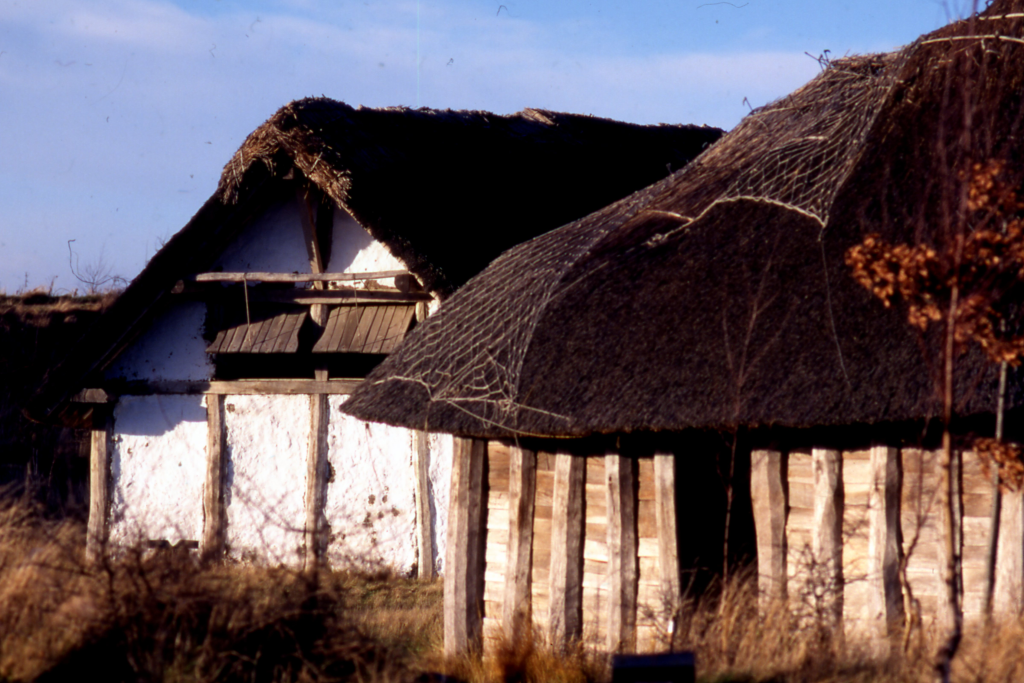
Tūn: From rustic fence to urban sprawl
This story explores the ways in which Old English tūn was used in place-names and traces how tūn developed from a word meaning ‘enclosure’ or ‘fence’ to become the most commonly used element in English settlement names.
A tale of three Easters
Place-names are not always what they seem! This story provides a salutary reminder of that by tracing the contrasting origins of three apparently similar names from Scotland, England and Polynesia.
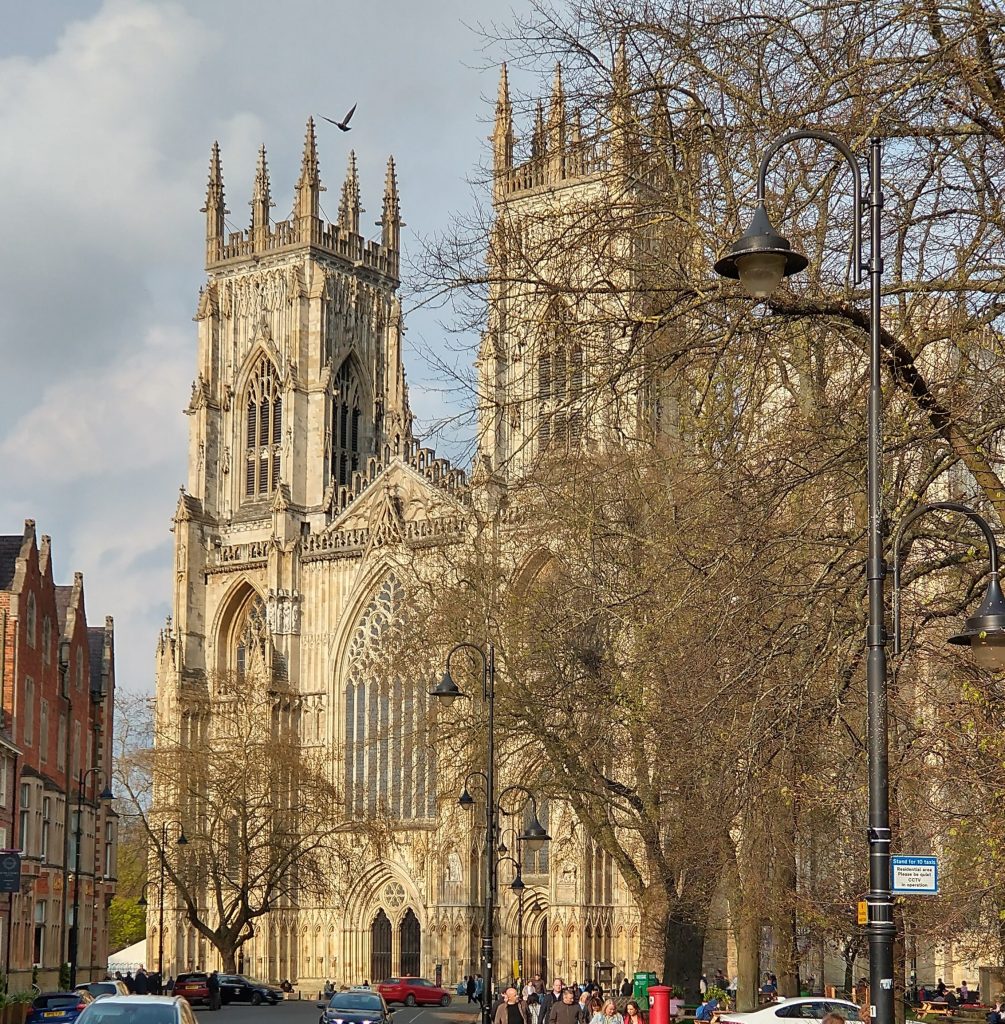
York — the archaeology of a place-name
The name York is of Celtic origin, and its development reflects the diversity of people and languages that have found a home in the town, just as the buildings and archaeology reveal layers of influence.