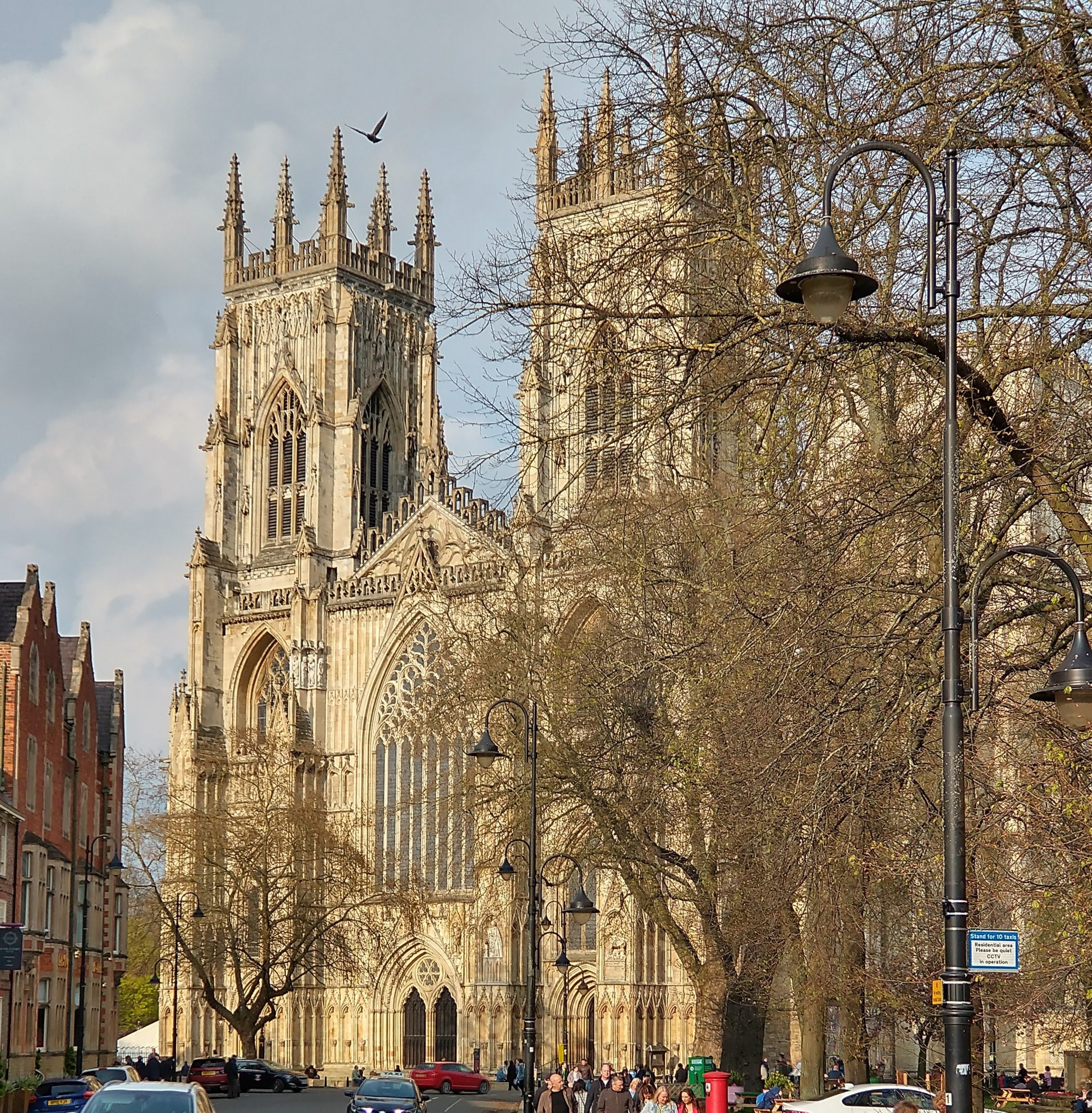
The name York is of Celtic origin, and its development reflects the diversity of people and languages that have found a home in the town, just as the buildings and archaeology reveal layers of influence.
York — the archaeology of a place-name
Celts and Romans
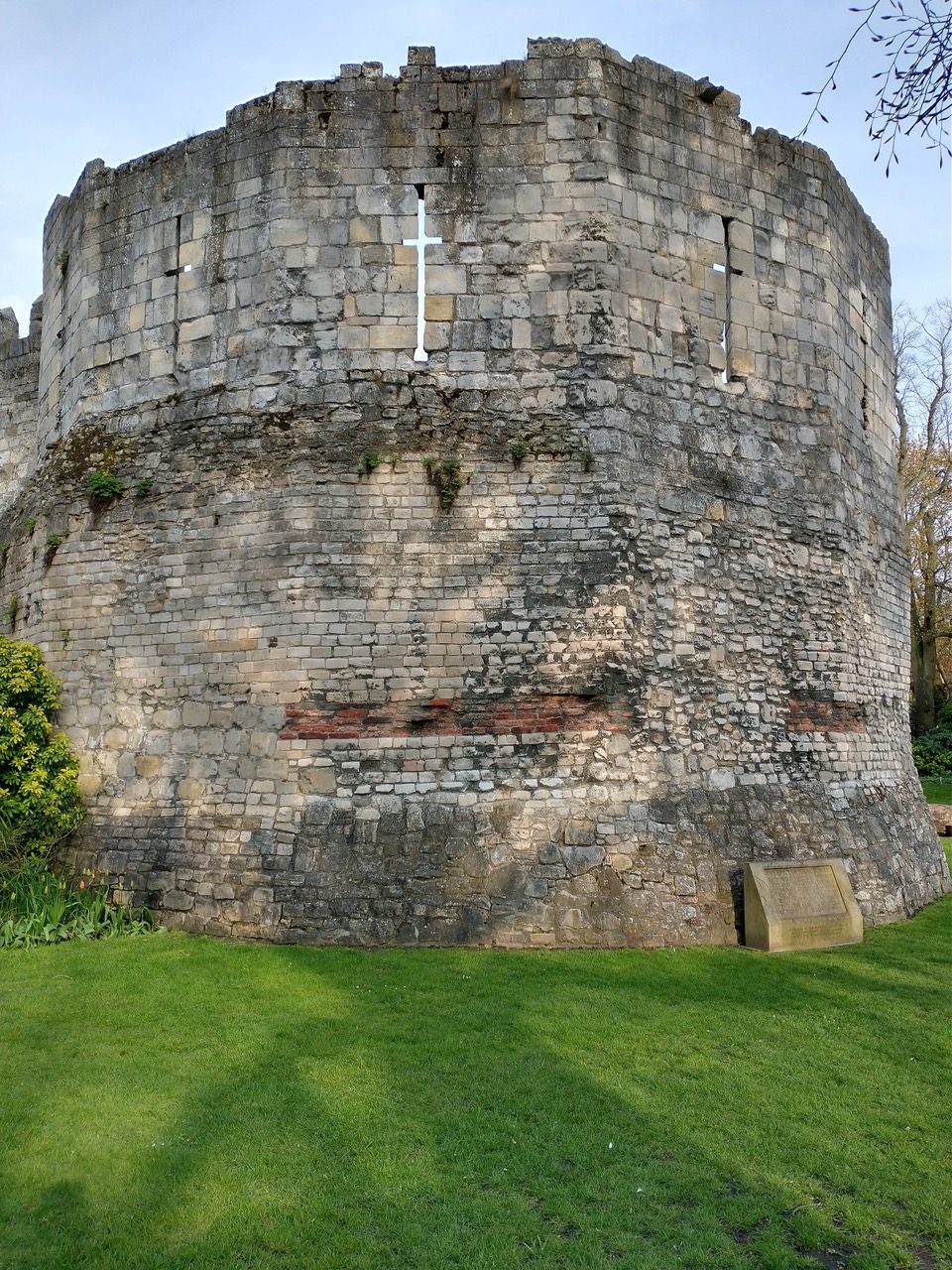
From the late first century AD, York was a Roman legionary headquarters with a large civilian settlement or colonia. The first known form of the place-name, however, is Eborakon, with its Greek-style ending, recorded in the second century AD by Ptolemy, a polymath working in Alexandria, Egypt. The Romans called the place Eburacum, with a Latin ending. This is recorded in a Roman administrative document of the 4th century as well as in several inscriptions.
These and similar spellings seem to point to a Celtic (specifically Brittonic) name, which would have been in use before the Roman occupation. The root of the name could either belong to a word for ‘yew’ or other plant (reconstructed as *eburo) or to a man’s name. Most scholars have agreed that either is possible, though they differ as to which is more likely.
Anglo-Saxons
Following the Anglo-Saxon settlements of the fifth century onwards, York emerged as the capital of Deira, the southern part of the kingdom of Northumbria, and became the centre of a bishopric, and then an archbishopric. The name was re-formed by speakers of Old English (Anglo-Saxon) into Eoforwic, with eofor ‘boar’ and wīc, here meaning ‘Roman town’.
Scandinavians
York came under Danish then Norwegian rule in the ninth and tenth centuries, becoming an outstanding trading centre. Scandinavian speakers modified the name to Éorwík, later Jórvík, perhaps associating its first element with a word éor/jór meaning ‘horse’ or with a word éorr/*jórr (not recorded but postulated on the basis of other forms) meaning ‘wild boar’. The J- of Jórvík would have been pronounced like ‘Y-‘. The second element may have been associated with wík/vík ‘bay, creek’, although it’s not appropriate to the geography.
Over time the name shortened to Middle English York, perhaps as a result of developments within both the English and Scandinavian versions.
‘Yorks’ worldwide
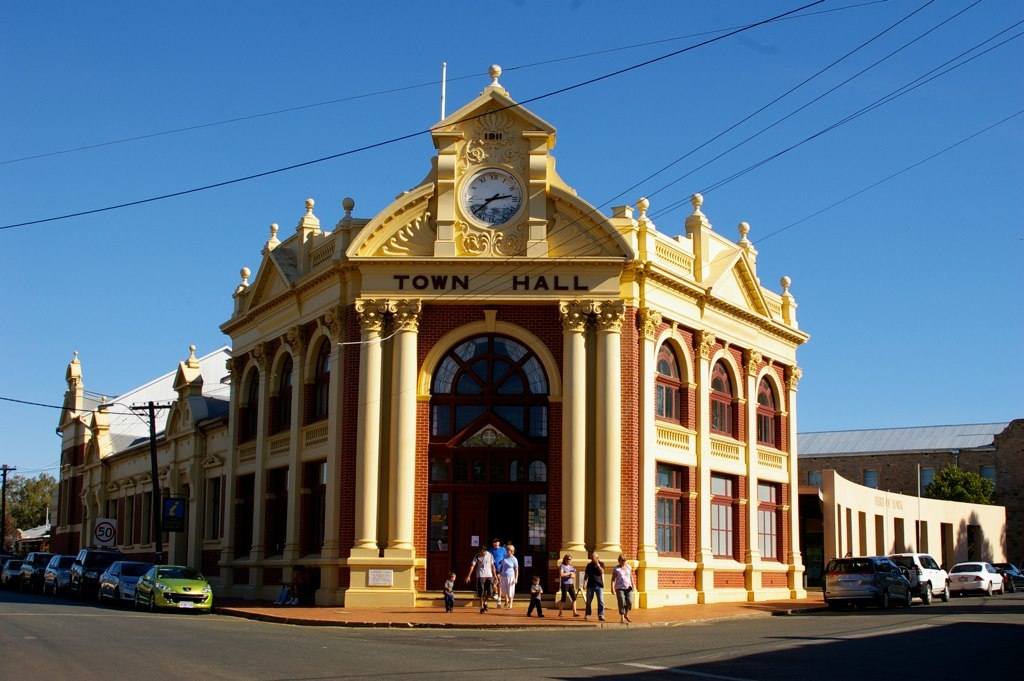
York has given its name not only to the largest English county, Yorkshire, but also to several places in North America and elsewhere, among them the cities of York in Pennsylvania, Nebraska and Ontario, and the town of York, Western Australia, which is situated on the Avon River, 60 miles east of Perth. Other places are called Yorktown (such as one in Virginia) or Yorkville. Not all are named from the English city, however. Having seized Nieuw Amsterdam in 1664, the English renamed it as New York after its governor, James, Duke of York (1633-1701, later James VII of Scotland and James II of England).

Selected early spellings
Eborakon about 150 AD, Eburacum 4th century (both in later copies)
Eoforwic(ceaster) from about 895 to about 1150
Jórvík 10th century (in later copy)
Jórk about 1230
York from late 13th century
Selected sources
Fellows-Jensen, Gillian (1987), ‘York’, Leeds Studies in English 18, pp. 141–55.
James, Alan (2023), Brittonic Language in the Old North, vol. 2, pp. 124–25 and 223–24.
Padel, Oliver (2013), ‘Brittonic place-names in England’, in Perceptions of Place: Twenty-first Century Interpretations of English Place-name Studies, ed. Jayne Carroll and David N. Parsons, pp. 14–16.
Rivet, A. L. F. and Colin Smith (1979), The Place-Names of Roman Britain, pp. 255–57.
Smith, A. H. (1937), The Place-Names of the East Riding of Yorkshire and York, pp. 275–80.
Townend, Matthew (1998), English Place-Names in Skaldic Verse, pp. 44–46.
Watts, Victor (2004), Cambridge Dictionary of English Place-Names, p. 711.
Diana Whaley © 2024