Many place-names are deceptive, so it’s not surprising that many people have assumed that the striking place-name Pity Me can’t really be what it seems. What is it, though?
Pity Me – really?
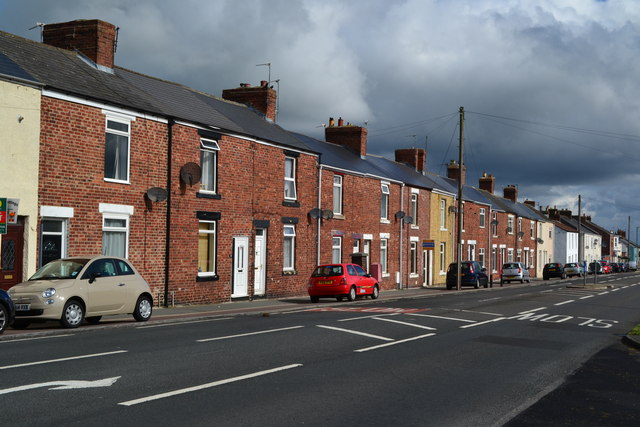
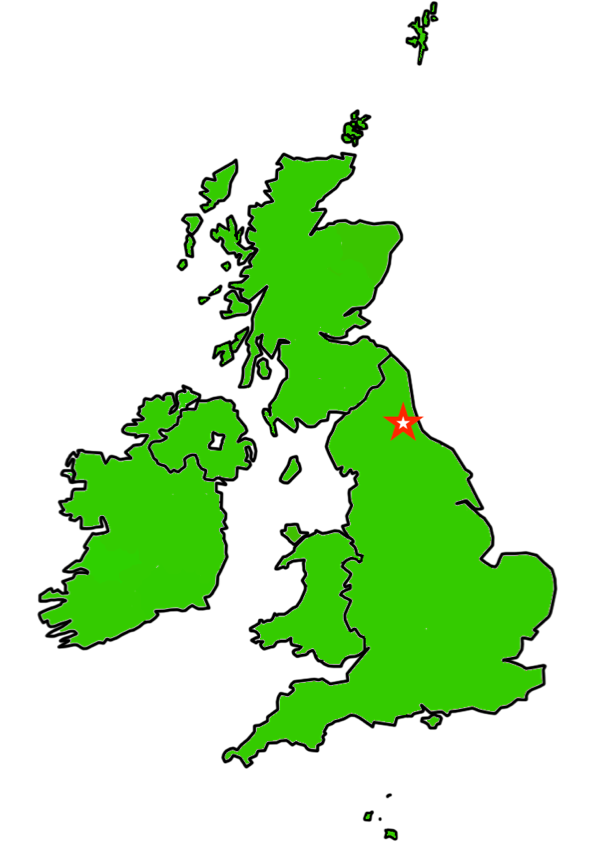
The best-known Pity Me is the former colliery village two miles north of Durham City, but there are or were several more in County Durham, Northumberland, the Scottish Borders and Cornwall. Some of these can be found by searching these online Ordnance Survey maps.
Explanations
Pity Me seems rather an extraordinary name, one needing to be explained. One type of explanation takes the Durham name at face value with tales of St Cuthbert’s bones, jostled as they were carried to safety, crying ‘pity me’, and although such stories have genuine interest and value as local traditions they are obviously no more than colourful fictions. Other explanations assume that Pity Me is a corruption or reinterpretation of something else: an underlying Celtic phrase meaning ‘field of graves’ or ‘enclosed land’, perhaps, or a French petit mer ‘small lake’. This type of explanation is grounded in the important truth that place-name forms are easily corrupted – as when the beau repaire ‘beautiful resort’ of the monks of Durham (Beaurepeyr in 1267) turned into modern Bearpark. However, these explanations of Pity Me are not credible. There is no evidence for them on the ground and the name is not found in medieval documents, so Pity Me is unlikely to be a corruption of an ancient name. There are no spellings suggesting anything other than … ‘pity me’.
A vogue for verbs
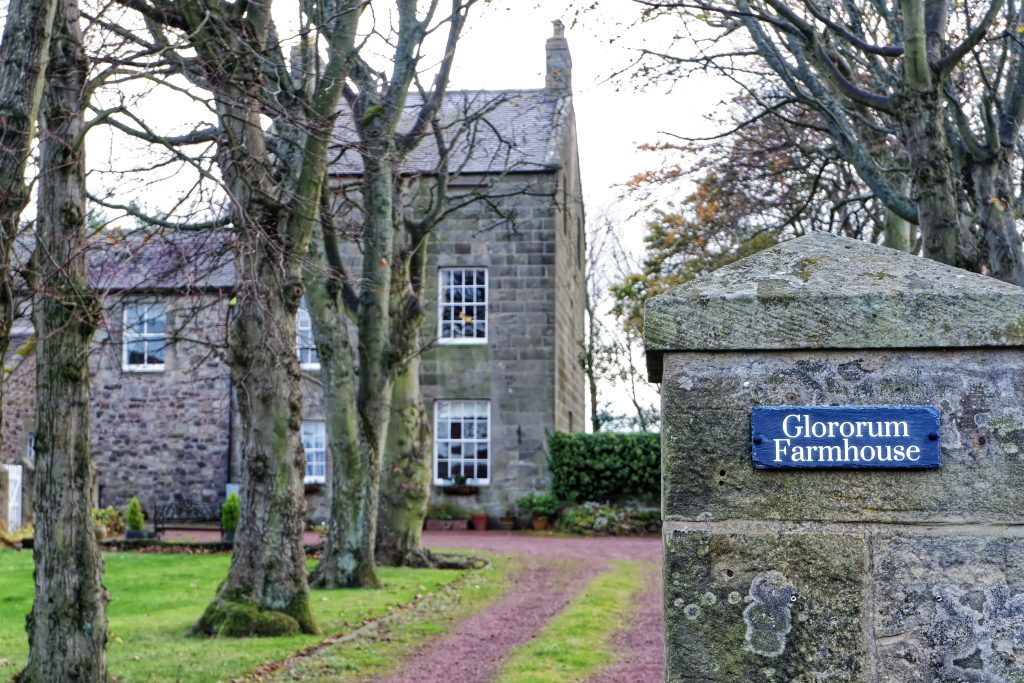
Meanwhile, Pity Me fits many other patterns. Its unusual grammar, a clause containing a verb, makes it a ‘verbal place-name’, along with names like Make-me-rich, Clickemin, Glororum (‘Glower over them/him’) or Standalone. They don’t describe places so much as express some aspect of the experience of living there, whether with a tinge of hope or despair. The type came into modest vogue in the early Modern period, especially in lowland Scotland and northern England. Early examples include a Cornish tin-works named Seldomgobie (‘seldom go by’) in 1593, Stepaside 1746 in Pembrokeshire, and Monthulie 1647 in Fife, a form of Mount Hooly (‘climb carefully’). Similar field-names are widespread and appear at similar dates, for instance a Break Back in Lincolnshire from 1598 and a Labour in Vain in Cornwall from 1695.
Transient places and names
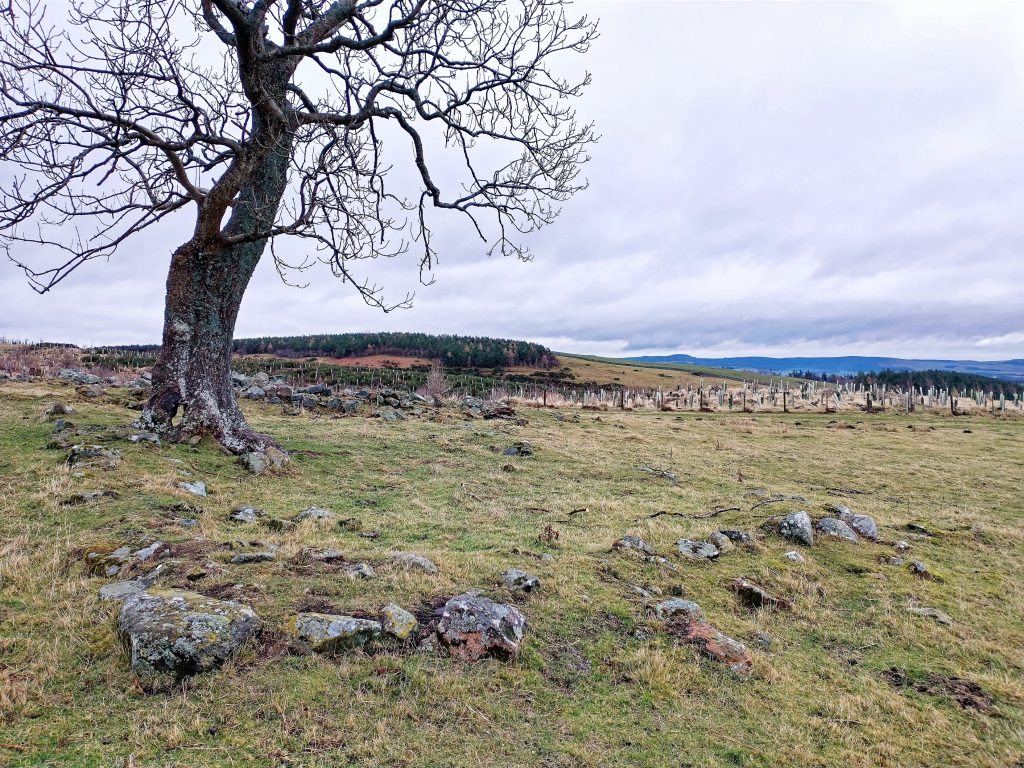
Many of the places bearing verbal place-names are located on rather marginal land in isolated rural locations, while places called Lightpipe stood beside routeways as havens for passing pipe-smokers. The buildings named range from substantial farmhouses (such as Glororum near Bamburgh) to cottages and huts, and many have been lost. Of eight instances of Pity Me recorded in Northumberland, only two appear on the modern map, while the others have been renamed or deserted. A Tyneside Pity Me was described as ‘a row of mean looking houses’ by the Ordnance Surveyors around 1860 but has now completely disappeared. Similarly, Switch-her-down, a remote place on the fringe of the Cheviot Hills, is now reduced to a few stones and its obscure name reduced to Switcher.
New trends in naming
This is all a very different type of naming from stereotypical English-language place-names such as Kingston, Sandyford or Black Hill, which tend to follow set grammatical patterns and which originally communicated some kind of information about a place or its stakeholders. But about the same time as the verbal place-names were in vogue, other types of naming broke these moulds, introducing more variety and even quirkiness to the name-stock. There are names transferred from elsewhere such as Philadelphia or Waterloo, ironic ‘hall’ names such as Lark Hall, Wagtail Hall or Sod Hall, and figurative coinages for distinctive rocks, such as Needle’s Eye or Grey Mare.
Thanks to the patterns mentioned here, and the work of the scholars named below, we can be sure that Pity Me, probably in all cases, is exactly what it seems, but questions still remain. Is it a cry of despair, a piece of whimsy or something in between? And how did the minor fashion for quirky verbal place-names spread?
Selected sources
Hough, Carole (2005), ‘Pity Me: a Borders place-name reconsidered’, Notes and Queries 52(4), pp. 445–47.
Ordnance Survey Name Books for Northumberland c. 1860.
Taylor, Simon (2008), ‘Pilkembare and Pluck the Craw: verbal place-names in Scotland’, in A Commodity of Good Names, pp. 274–85.
Watts, Victor (2002), A Dictionary of County Durham Place-Names, p. 95.
Whaley, Diana (forthcoming), ‘Make Me Rich, Mount Hooley and other verbal place-names south of the Tweed’, in Onomastications. A Festschrift for Simon Taylor, ed. Thomas Clancy, Eila Williamson and Carole Hough.
Text © Diana Whaley 2024